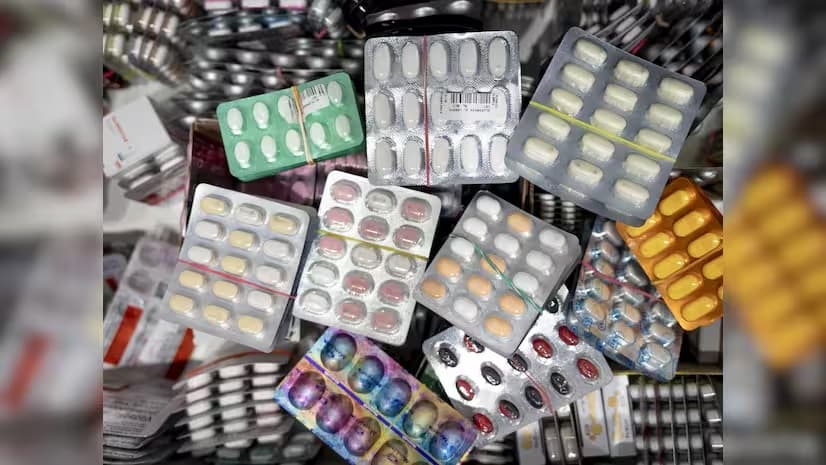
Pharma Machinery and Packaging: Powering India’s Next Phase of Pharmaceutical Manufacturing
By Dr. Sanjay Agrawal, Leading Pharmaceutical Consultant and Editor- in Chief of IJMToday
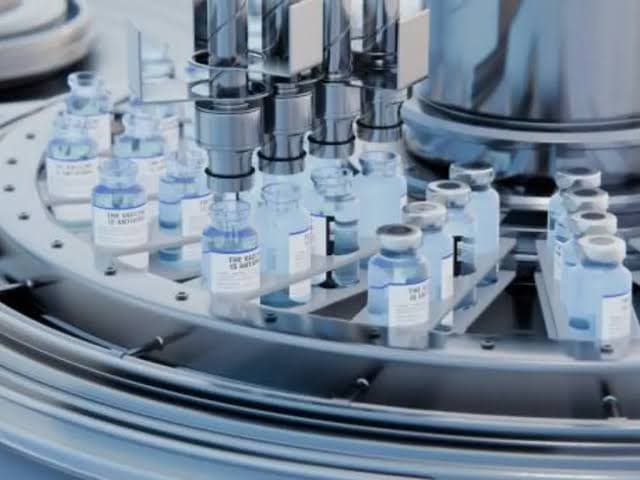
India’s pharmaceutical industry is entering a new phase of manufacturing transformation, driven by rising global demand, evolving regulatory expectations and the need for greater operational efficiency. As one of the world’s leading suppliers of generic medicines, India’s ability to sustain its competitive advantage depends not only on formulation expertise and production capacity, but also on the sophistication of its pharmaceutical machinery and packaging infrastructure.
Manufacturing equipment and packaging systems are no longer merely operational necessities. They are strategic investments that influence product quality, production economics, regulatory compliance and market competitiveness. From automated tablet manufacturing and precision filling systems to intelligent inspection and advanced packaging lines, technology is reshaping how pharmaceutical products are manufactured, protected and delivered.
For Indian manufacturers seeking to expand their domestic and international presence, modern machinery and innovative packaging will play an increasingly decisive role in building resilient, quality-driven operations.
Modernizing Machinery for Greater Efficiency
The growing emphasis on quality, consistency and cost optimisation is accelerating the modernisation of pharmaceutical manufacturing facilities. Equipment manufacturers are responding with advanced systems designed to improve throughput, minimise product losses, reduce manual intervention and ensure repeatable production outcomes.
Key equipment categories include granulation systems, tablet presses, capsule-filling machines, coating equipment, fluid-bed dryers, liquid-processing systems and sterile filling lines. In packaging, demand spans blister packaging, bottle filling, labelling, cartoning, inspection and end-of-line automation.
Modern equipment offers advantages beyond higher production speeds. Improved process control, faster changeovers, easier cleaning and better equipment monitoring can help manufacturers reduce downtime and improve resource utilisation. For facilities producing multiple formulations or handling frequent product changeovers, flexible machinery can also support greater manufacturing agility.
The financial case for modernisation is becoming increasingly important. Pharmaceutical manufacturers operate in a competitive environment where pricing pressures and rising compliance costs can affect profitability. Investing in the right equipment can help reduce waste, improve line performance and lower the cost per unit over the equipment’s lifecycle.
However, successful modernisation requires more than purchasing new machinery. Manufacturers must evaluate equipment reliability, compatibility with existing infrastructure, maintenance requirements, validation needs and the availability of technical support. A lifecycle-based investment approach can deliver greater long-term value than decisions based solely on initial purchase price.
Automation and Digitalisation: The Next Manufacturing Frontier
Automation is increasingly central to pharmaceutical manufacturing strategies. Automated systems can improve dosing accuracy, minimise human intervention, standardise repetitive operations and generate reliable production data.
The integration of sensors, programmable control systems, machine vision and manufacturing execution systems is enabling better visibility across production lines. Real-time monitoring can help identify process deviations, detect equipment abnormalities and support faster corrective action.
Predictive maintenance is another emerging opportunity. By analysing equipment performance and operating data, manufacturers can identify potential failures before they result in unplanned downtime. This approach can improve equipment availability, support maintenance planning and reduce disruptions to production schedules.
Artificial intelligence and machine learning may further enhance inspection, anomaly detection and process optimisation. Nevertheless, pharmaceutical applications require appropriate validation, data integrity controls and human oversight. Technology must operate within established quality systems rather than become a substitute for them.
For Indian manufacturers, the priority is to adopt automation that addresses measurable operational challenges. Phased implementation, integration with existing systems and workforce training can help organisations capture the benefits of digitalisation without creating unnecessary complexity.
Packaging as a Critical Quality and Safety Function
Pharmaceutical packaging has evolved from a product-containment function into an essential component of quality assurance and patient safety. Packaging must protect medicines against moisture, oxygen, light, contamination and physical damage while preserving stability throughout their intended shelf life.
The selection of packaging materials and formats depends on the dosage form, product sensitivity, storage conditions, distribution requirements and regulatory specifications. Tablets and capsules may require blister packs or bottles, while liquids, injectables and biologics often demand specialised containers, closures and filling technologies.
Primary packaging, which comes into direct contact with the medicine, requires particular attention to material compatibility and product protection. Secondary packaging provides additional protection and carries essential information, while tertiary packaging supports storage, transportation and distribution.
Advances in packaging machinery are helping manufacturers improve filling accuracy, seal integrity, label placement and visual inspection. Automated inspection systems can identify defects such as damaged packs, incorrect labels, missing components and printing errors.
These capabilities are especially important for export-oriented companies, where product quality and packaging compliance must meet the requirements of individual destination markets.
Traceability, Compliance and Counterfeit Prevention
Regulatory compliance remains a major driver of investment in pharmaceutical machinery and packaging technology. Manufacturers must demonstrate that their equipment and processes consistently produce medicines that meet defined quality specifications.
In India, the implementation of revised Schedule M requirements has reinforced the importance of pharmaceutical quality systems, risk management, equipment qualification and process validation. Manufacturers must ensure that equipment is appropriate for its intended use and supported by suitable documentation.
Qualification activities typically include installation qualification (IQ), operational qualification (OQ) and performance qualification (PQ), as applicable. These activities help establish that equipment is installed correctly, functions as intended and performs consistently under defined operating conditions.
Packaging technology also plays an important role in supply-chain security. Barcodes, QR codes, serialisation and track-and-trace systems can support product identification and verification, subject to applicable regulatory requirements. Tamper-evident features provide additional safeguards against unauthorised access, while machine-readable codes can improve inventory management and distribution visibility.
The growing use of vision inspection and integrated coding systems enables manufacturers to verify printed information and identify packaging errors before products leave the production line. However, successful implementation depends on reliable data management, system integration and appropriate validation.
Sustainable Packaging and Resource Efficiency
Sustainability is becoming an important consideration in pharmaceutical packaging development. Manufacturers and suppliers are exploring opportunities to reduce material consumption, optimise packaging dimensions, improve production efficiency and assess recyclable alternatives where technically and regulatorily appropriate.
Lightweight packaging, material optimisation and more efficient machine designs can help reduce resource use. Equipment that minimises rejected packs, material wastage and energy consumption can contribute to broader sustainability objectives.
However, pharmaceutical packaging presents distinct challenges. Any change in material composition or pack design must preserve product protection, compatibility, stability and compliance. Recyclability cannot be pursued at the expense of patient safety or medicine quality.
Collaboration between pharmaceutical companies, packaging material suppliers and machinery manufacturers is therefore essential. Joint development and testing can help identify solutions that balance environmental considerations with the stringent requirements of pharmaceutical applications.
Building a Competitive Indian Machinery Ecosystem
India’s expanding pharmaceutical manufacturing base creates opportunities for domestic machinery manufacturers, packaging technology providers and automation specialists. Local suppliers can offer advantages through application-specific engineering, shorter service response times, accessible spare parts and a better understanding of Indian manufacturing conditions.
At the same time, global competitiveness will depend on continuous innovation, engineering precision, manufacturing quality and alignment with international standards. Equipment suppliers must increasingly differentiate themselves through technical expertise, validation support, operator training and after-sales service.
Manufacturers, meanwhile, need to assess technology partners on their ability to deliver reliable performance throughout the equipment lifecycle. The relationship between a pharmaceutical company and its machinery supplier is becoming more collaborative, extending from equipment selection and installation to optimisation, upgrades and long-term maintenance.
Industry platforms such as CPHI and PMEC India provide an important setting for this engagement. By bringing pharmaceutical manufacturers together with machinery producers, packaging specialists and technology providers, these platforms enable the exchange of technical knowledge and the evaluation of emerging solutions.
Conclusion
The future of pharmaceutical manufacturing in India will be shaped by the ability to combine efficient machinery, intelligent automation and reliable packaging systems with rigorous quality management. As manufacturers respond to global competition, evolving regulations and changing expectations around sustainability, technology investment must be guided by a clear understanding of operational and commercial priorities.
The next stage of progress will not be defined simply by faster machines or more sophisticated packaging. It will depend on building integrated manufacturing systems that deliver consistency, traceability, flexibility and lifecycle value.
For India’s pharmaceutical industry, strengthening the machinery and packaging ecosystem is therefore more than an infrastructure upgrade. It is a strategic step towards enhancing manufacturing resilience, supporting export competitiveness and ensuring that safe, high-quality medicines reach patients reliably across markets.
By Dr. Sanjay Agrawal, Leading Pharmaceutical Consultant and Editor- in Chief of IJMToday
www.drsanjayagrawal.in
Related News
Prostate Cancer: The Importance of Proactive Men’s Health
November 17, 2026
India’s pharma exports reach $16.14 billion as Europe and emerging markets drive growth
November 12, 2026