Role of Nutraceuticals in Cardiology Practice
CVDs are largely preventable through the control of risk factors via lifestyle modifications and preventive medication.
Introduction
Cardiovascular diseases (CVDs), including coronary heart disease and stroke, are the leading causes of mortality and disability globally. Uncontrolled diabetes, dyslipidemia and hypertension are the major modifiable risk factors for CVDs. CVDs are largely preventable through the control of risk factors via lifestyle modifications and preventive medication.
The initial therapeutic approach to these risk factors should always include non-pharmacological measures, such as dietary modifications, weight management and regular physical exercise.
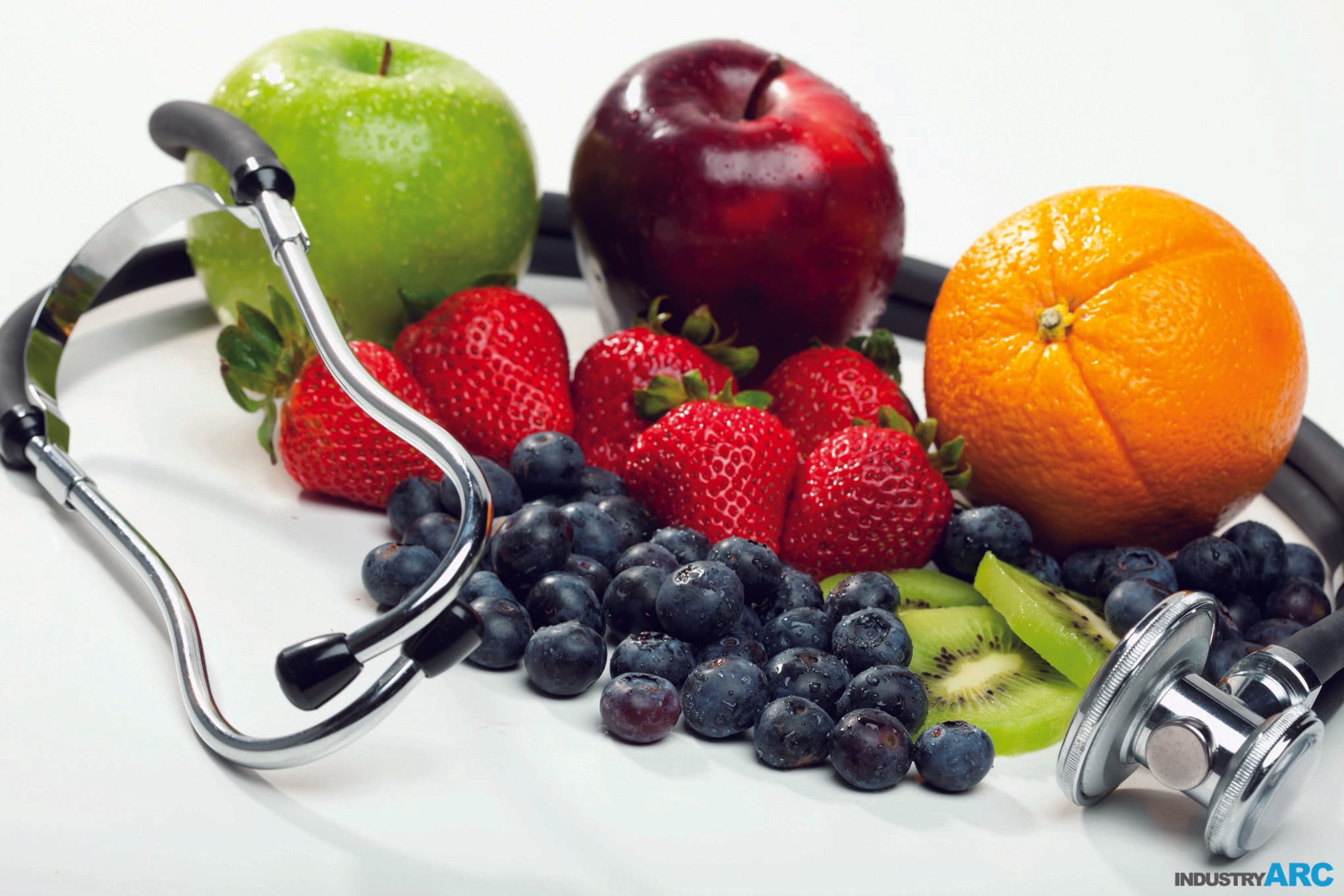
Current dietary recommendations include reduction of total energy intake from foods, intake of saturated fat to be limited to less than 10% of calories, saturated and trans fatty acids to be replaced with polyunsaturated (PUFA) (up to 10% of calories) or monounsaturated (MUFA) fatty acids (10–15% of calories), and dietary fibre intake to be increased (30–45 g/day). Daily salt intake also should be reduced by at least one third and, if possible, to < 5 g per day. Moreover, dietary patterns that include a variety of fruits, vegetables, seeds and nuts (2–3 servings of each per day), pulses and whole grains are strongly encouraged to promote health and lower CVD risk (Ref.1)
Adherence to lifestyle modification to prevent CVDs is often poor due to unsatisfactory patient compliance and poor adherence and maintenance in the medium- to long-term ( Ref.2). A recent meta-analysis of clinical trials examining the role of DASH diet in hypertension reported that it decreases systolic BP by 5.2 mmHg and diastolic BP by 2.6 mmHg ( Ref.3). Unfortunately, only 22 percent of patients were able to adhere to it ( Ref.4). Similarly, only 20-40% of patients are able to reduce their salt intake to below the maximum recommended limit (Ref.5).
The use of nutraceuticals has steadily increased in last two decades due to increasing health awareness and increasing cost of medical treatment. Nutraceuticals have received considerable interest because of their presumed safety and potential nutritional and therapeutic effects (Ref.6). Today the old proverb “an apple a day, keeps the doctor away” has been replaced by “A nutraceutical a day, may keep the doctor away”. In a recent cross-sectional study, which included 343 patients with cardiovascular disease, 82.5% of patients had used nutraceuticals for a variety of health conditions (Ref.7).
The role of major nutraceuticals in reducing the risk of major CVD risk factors ( dyslipidemia, diabetes and hypertension) is briefly described below.
Nutraceuticals for dyslipidemia
Nutraceuticals represent a potentially useful tool to reduce LDL-C and improve the overall plasma lipid profile in the general population as well as in people at high CV risk—in the latter cases in addition to the pharmacological therapy.
According to the 2021 ESC Guidelines on cardiovascular disease prevention in clinical practice: “An evidence-based approach to the use of lipid-lowering nutraceuticals could improve the quality of the treatment, including therapy adherence, and achievement of the LDL-C goal in clinical practice” (Ref.8).
The European Society of Cardiology (ESC)/European Society of Atherosclerosis (EAS) Guidelines for the management of dyslipidaemias have stressed the central role of nutrition for the prevention of ASCVD. According to these guidelines plant sterols/stanols “may be considered: (i) in individuals with high cholesterol levels at intermediate or low global CV risk who do not qualify for pharmacotherapy; (ii) as an adjunct to pharmacological therapy in high- and very-high-risk patients who fail to achieve LDL-C goals on statins or could not be treated with statins; and (iii) in adults and children (aged >6 years) with familial hypercholesterolemia (FH)” ( Ref.9).Clinical studies and meta-analysis have shown that plant sterols/stanols consumption (2–3 g/day) leads to a mean 10% reduction of LDL-C in healthy subjects and in patients with hypercholesterolemia and/or diabetes, with little or no effects on HDL-C and TG (Ref. 10). The FDA and EFSA have also endorsed a claim related to the use of plant sterols/stanols for LDL-C reduction.
Another product that these guidelines proposed for the management of hypercholesterolemia is red yeast rice (RYR) extract, its bioactive ingredient, monacolin k, has statin-like mechanism of action. 10 mg/day of monacolin K from red yeast rice has also received the claim for the maintenance of normal LDL-C concentrations from EFSA and FDA. 10 mg/day monacolin k from Red Yeast Rice (RYR) is shown to lower LDL-C by 30 mg/dl and triglycerides by 26mg/dl with no influence on HDL-C (Ref.10).
The role of dietary fibres in cholesterol lowering has been strengthened in the latest version of these guidelines (“Foods enriched with these fibres or supplements are well tolerated, effective, and recommended for LDL-C lowering”). Based on the current evidence, beta- glucan and psyllium (by FDA) and beta-glucan, chitosan, glucomannan, guar gum, hydroxypropyl methylcellulose and pectin (by EFSA European Food Safety Authority) have been granted a claim for the maintenance of optimal LDL-C concentrations. According to EFSA the effective amount for the specific fibres as follow: beta-glucan 3 g/day, chitosan 3 g/day, glucomannan 4 g/day, guar gum 10 g/day, hydroxypropyl methylcellulose 5 g/day and pectin 6 g/day (Ref.10).
Regarding the role of omega-3 polyunsaturated fatty acids (PUFA) in TG lowering, the recent guidelines reported that “Observational evidence indicates that consumption of fish (at least twice a week) and vegetable foods rich in omega-3 fatty acids is associated with lower risk of CV death and stroke. Pharmacological doses of long-chain omega-3 fatty acids (2–3 g/day) reduce TG levels by about 30%.
In 2018, the International Lipid Expert Panel (ILEP) published a Position Paper defining the use of nutraceuticals in the management of statin intolerance: “Nutraceuticals, such as red yeast rice, bergamot, berberine, artichoke, soluble fiber, and plant sterols and stanols alone or in combination with each other, as well as with ezetimibe, might be considered as an alternative or add-on therapy to statins”. Berberine, omega-3 PUFA and RYR were deemed as class of recommendation I, supported by evidence of benefit and safety to be recommended/indicated. Berberine (0.5–1.5 g/day) lowers LDL-C and TG concentrations (on average − 22 mg/dl and 37 mg/dl, respectively) and also increases HDL-C (on average 2 mg/dl). So far, neither EFSA nor FDA have released specific claims on the efficacy of berberine. (Ref.11).
According to the Japan Atherosclerosis Society (JAS) Guidelines for Prevention of Atherosclerotic Cardiovascular Diseases, increasing the intake of omega-3 PUFA is effective in decreasing the TG level and may lead to suppression of coronary artery disease (CAD) and consuming soy and soy products is recommended because they may decrease CAD and stroke risk. Moreover, omega-3 PUFA are also indicated as treatment for hypertriglyceridemia, particularly for type IIb and type IV hyperlipidemia (Ref.12).Results of a meta-analysis have shown that isoflavone extracts (on average 15 mg/day) seem to effectively reduce TG concentrations (- 41 mg/dl) without any effect on LDL-C and HDL-C levels. (Ref.13).
Nutraceuticals for diabetes mellitus
The updated dietary guidelines of the American Diabetes Association (ADA) recommend to
increase omega-3 fatty acids, soluble viscous fiber, and plant stanols/sterols intake to reduce the risk of CVDs in diabetics (Ref.14).
Soluble Fiber supplementation significantly reduces blood glucose levels, especially in the postprandial state, in prediabetics and diabetics. The glucose-lowering effect of this type of fiber ranges from 7 mg/dl (for glucomannan) to 45 mg/dl (for psyllium, in the postprandial state). The EFSA has granted a claim for the maintenance of optimal postprandial glucose levels for beta-glucan (4 g for each 30 g of available carbohydrates), and pectin (10 g per meal).
Meta-analysis of studies shows that a dose of berberine between 0.5 and 1.5 g/day for 8–12 weeks reduces fasting and postprandial blood glucose as well as HbA1c either when used alone or in combination with oral anti-diabetic agents (Ref.15). Similar effects have been observed in subjects with metabolic syndrome, in whom berberine administration decreased waist circumference, systolic blood pressure, TG, glucose levels and insulin secretion, and increased insulin sensitivity (Ref. 16).
A recent meta-analysis of 11 randomized controlled trials found that resveratrol reduced fasting glucose, insulin, glycated hemoglobin, and insulin resistance in subjects with type 2 diabetes, but not in those without diabetes (Ref.17). The mechanism of action of resveratrol in the treatment of diabetes mellitus seems to be multifactorial; resveratrol may have antioxidant properties, increase AMPK activation, and increase internalization of glucose through modulating glucose transporter expression ( Ref.18).
Nutraceuticals for hypertension
Hypertension is one of the major modifiable risk factors for CVD. It has been shown that lowering blood pressure reduces risk for myocardial infarction by 20–25%, for stroke by 35–40% and for heart failure by about 50%. (Ref.19). Unfortunately, nearly half of patients diagnosed with hypertension are unable to keep their blood pressure under control despite pharmacologic intervention, indicating a need for adjunctive anti-hypertensive therapies (Ref.20).
Studies have reported a modest but significant reduction in SBP and DBP following viscous soluble fiber supplementation, in particular beta-glucan and psyllium (Ref.21).
A recent meta-analysis showed that in hypertensive patients’ soy isoflavone intake is associated with reduction in SBP by - 5.94 (95% CI - 10.55, - 1.34 mmHg, P = 0.01) and DBP by - 3.35 (95% CI - 6.52, - 0.19 mmHg, P = 0.04) (Ref.22).
A meta-analysis of trials evaluating the efficacy of garlic in the treatment of hypertension has shown that it decreases systolic blood pressure (SBP) by 6.7 mmHg and diastolic blood pressure (DBP) by 4.8 mmHg at doses higher than 300 mg/day, when administered for more than 12 weeks ( Ref.23). Another study reported that the BP lowering effect of garlic is additive when combined with the use of anti-hypertensive drugs (Ref.24).
A recent meta-analysis of 70 RCTs showed that the consumption of omega-3 PUFAs (0.3–15 g/day) for 4–26 weeks, reduced SBP by 4.5 mmHg (95% CI - 6.1, - 2.8) and DBP by 3.0 mmHg (95% CI - 4.3, - 1.7), in untreated hypertensive individuals (Ref.25). According to EFSA an intake of about 3 g/day of EPA and DHA are required to obtain the claimed effect on blood pressure.
Cocoa appears to be useful for pre-hypertensive, or Stage I hypertensive individuals. In a meta-analysis of 5 studies with pre-hypertensive (Stage I hypertensive) individuals, cocoa at a dose of 50-100 mg/day for a median duration of 4 weeks lowered SBP by 4.7 mmHg (-7.6, -1.8; p = 0.002) and DBP by 2.8 mmHg (-4.8, -0.8 mmHg; p = 0.006) (Ref.26).
Conclusion
Dyslipidemia, hypertension and diabetes are major modifiable risk factors for CVDs. In clinical practice, the recommended lifestyle modifications and current pharmacotherapy often fail to achieve the expert recommended therapeutic goals, making the patients vulnerable to residual CV risk. Current evidence suggests that the use of selected nutraceuticals either alone or in combination, have the potential to increase the effectiveness of pharmacotherapy and thus reduce the residual CV risk.
Despite the potential role for nutraceuticals as adjunctive therapies for CV risk factors, their use in clinical practice is limited due to reluctance on the part of clinicians and lack of a dialogue about nutraceuticals between patients and physicians. (Ref.27). Availability of
more detailed information about pharmacokinetics of nutraceuticals and longer-term clinical trials in larger population of subjects establishing their efficacy and safety, will increase the confidence of clinicians in nutraceuticals.
To exploit the full potential of nutraceuticals in the promotion of human health and disease prevention, health professionals, nutritionists, public health authorities and regulatory agencies should work together to formulate uniform guidelines and regulations, so that their health and therapeutic benefits are made available to mankind (Ref.28).
References
1] Reynolds A, Mann J, Cummings J, et al. Lancet.2019;393(10170):434–450.
2] Chapman K. Appetite. 2010;54(3):433–41.
3] Siervo Mario, Jose Lara, Shakir Chowdhury, et al. Br J Nutr 2015;113: 1-15.
4] Mitka, Mike JAMA 2007; 298: 164-165.
5] Rodrigues Marcela Perdomo, Luciana Kaercher John Dos Santos; et al.. Trials 2017; 18: 347.
6] Rajasekaran A, Sivagnanam G, Xavier R. Research J. Pharm. and Tech.2008; 1(4):328‐340.
7] Aykan DA, Aykan AC . J Cardiovasc Pharmacol Ther2018;24: 146-152.
8] Visseren, F.L.J.; Mach, F.; Smulders, Y.M.; Carballo, D.; et al. Eur. Heart J. 2021, 42, 3227–3337.
9] Mach, F.; Baigent, C.; Catapano, A.L.; et al. Eur. Heart J. 2020, 41, 111–188.
10] Pirro M, Vetrani C, Bianchi C, Mannarino MR, Bernini F, Rivellese AA. Nutr Metab Cardiovasc Dis. 2017;27(1):2–170.
11] Banach, M.; Patti, A.M.; Giglio, R.V; et al. J. Am. Coll. Cardiol. 2018, 72, 96–118.
12] Kinoshita, M.; Yokote, K.; Arai, H.; Iida, M.; et al. J. Atheroscler. Thromb.2018, 25, 846–984.
13] Qin Y, Niu K, Zeng Y, Liu P, Yi L, Zhang T, et al. Cochrane Database Syst Rev.2013;6:CD009518 .
14] Draznin, B.; Aroda, V.R.; Bakris, G.; Benson, G.; et al. Diabetes Care 2022, 45, S144–S174.
15] Pirillo A, Catapano AL.. Atherosclerosis. 2015;243(2):449–61.
16] Pérez-Rubio KG, González-Ortiz M, Martínez-Abundis E,et al.. Metab Syndr Relat Disord. 2013;11(5):366–9.
17] Liu K, Zhou R, Wang B, et al. Am J Clin Nutr 2014;99:1510-9.
18] Gencoglu H, Tuzcu M, Hayirli A, et al. Int J Food Sci Nutr 2015;66:314-20.
19] Antonakoudis G, Poulimenos L, Kifnidis K, et al. Hippokratia 2007;11:114-9.
20] https://www.cdc.gov/nchs/fastats/drug-use-therapeutic.htm.
21] Khan K, Jovanovski E, Ho HVT, et al. Nutr Metab Cardiovasc Dis. 2018;28(1):3–13.
22] Liu XX, Li SH, Chen JZ, Sun K, Wang XJ, Wang XG, et al. Nutr Metab Cardiovasc Dis.2012;22(6):463–70.
23] Xiong XJ, Wang PQ, Li SJ, et al.. Phytomedicine 2015; 22:352-361.
24] Ried Karin, Oliver R Frank, Nigel P Stocks Maturitas 2010;67: 144-150.
25] Miller PE, Van Elswyk M, Alexander DD. Am J Hypertens. 2014;27(7):885–96.
26] Taubert Dirk, Renate Roesen, Edgar Schömig Arch Intern Med 2007;167: 626-634.
27] Gosavi Siddharth, Mangala Subramanian, Rajendra Reddy; et al. J Clin Diagn Res 2016;10: FC01-FC04.
28] Bagchi D. Toxicology 2006; 221(1):1‐3.
Disclaimer:
The views and opinions expressed in this article are solely those of the author/contributor and do not necessarily represent those of PharMedBiz. The author confirms that the submitted content is original or that all necessary rights and permissions for third-party content have been obtained.
PharMedBiz may edit, format, modify, shorten or remove the content for editorial, legal or other reasons. Publication does not constitute endorsement or verification by PharMedBiz of the information, claims, products or opinions expressed.
The author/contributor remains responsible for the content submitted and for any third-party rights or permissions relating to it. Unless otherwise agreed in writing, the author grants PharMedBiz a worldwide, royalty-free, perpetual, non-exclusive right to publish, reproduce, distribute, archive, adapt and promote the content across its website, social media and other communication channels.
© PharMedBiz. All rights reserved with respect to PharMedBiz’s editorial presentation, formatting and original additions to the published content.
Related News

44-year-old gastroenterologist shares ‘anti-ageing secrets’ he wishes he knew in his 20s: ‘Sleep is best longevity tool’
September 11, 2026
Indian pharma firms plan ₹45,000-cr capex in FY26, says ICRA
September 7, 2026