Reimagining Pharma Manufacturing: India and China Lead the Green Transition
Dr Sanjay Agrawal, Leading Pharmaceutical Consultant and Editor-in Chief of IJMToday.
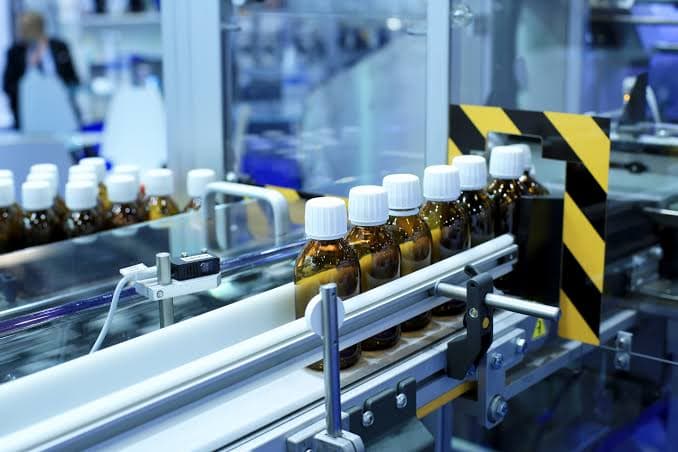
The pharmaceutical industry is standing at the threshold of a structural transformation. For decades, global competitiveness in pharma was measured by manufacturing scale, cost efficiency, and speed of supply. Today, however, a new benchmark is redefining industrial leadership- sustainability.
From stricter environmental regulations and ESG mandates to climate-conscious procurement policies and cleaner production technologies, the sector is undergoing a major shift toward environmentally responsible manufacturing. In this transition, India and China are emerging not only as pharmaceutical powerhouses but also as critical players in shaping the future of green chemistry.
Traditionally, the pharmaceutical relationship between the two nations revolved around supply-chain interdependence. China dominated the production of intermediates, key starting materials (KSMs), and APIs, while India excelled in formulations, generics, vaccine manufacturing, and exports to regulated markets. Together, the two countries built one of the most influential pharmaceutical ecosystems in the world.
But the dynamics are changing rapidly.
As sustainability becomes central to industrial policy and healthcare economics, the India-China pharmaceutical relationship is gradually evolving beyond APIs into a broader strategic framework focused on green chemistry, cleaner manufacturing systems, advanced process engineering, and environmentally sustainable pharmaceutical production.
This emerging transition has the potential to reshape not only Asian manufacturing but the global pharmaceutical landscape itself.
The Sustainability Imperative in Global Pharma
The pharmaceutical industry has long faced criticism for its environmental footprint. Conventional drug manufacturing processes consume large quantities of water, solvents, chemicals, and energy, while generating hazardous waste and industrial emissions.
According to several environmental studies, pharmaceutical manufacturing can contribute significantly to:
- Water contamination
- Chemical waste accumulation
- Air pollution
- Carbon emissions
- Soil toxicity
- Antimicrobial resistance through untreated discharge
As global environmental concerns intensify, regulators across major healthcare markets are tightening sustainability expectations.
The European Union’s Green Deal, stricter US environmental standards, carbon disclosure requirements, and ESG-driven investment strategies are increasingly influencing pharmaceutical sourcing and procurement decisions. Buyers and investors are now examining how medicines are manufactured- not just how effectively they perform.
This is creating urgent pressure for pharmaceutical companies worldwide to transition toward greener and cleaner manufacturing models.
Understanding Green Chemistry in Pharma
Green chemistry refers to the design of chemical products and manufacturing processes that minimize or eliminate the use and generation of hazardous substances.
Unlike traditional approaches that manage pollution after production, green chemistry focuses on preventing environmental damage at the source.
In the pharmaceutical industry, green chemistry includes:
- Safer synthesis pathways
- Reduced solvent usage
- Biocatalysis and enzyme-based reactions
- Renewable feedstocks
- Energy-efficient production systems
- Continuous manufacturing technologies
- Waste minimization techniques
- Solvent recovery and recycling
- Reduced process toxicity
- Improved atom economy
The concept also aligns closely with circular economy principles, where resources are reused, recycled, and optimized to minimize environmental impact.
Importantly, green chemistry is not solely about environmental responsibility. It also delivers operational and economic advantages such as:
- Lower production costs
- Reduced waste treatment expenses
- Improved process efficiency
- Better regulatory compliance
- Enhanced worker safety
- Stronger long-term profitability
For India and China, integrating green chemistry into pharmaceutical manufacturing is becoming both a strategic necessity and a competitive opportunity.
India and China: Two Pillars of the Global Pharma Ecosystem
India and China collectively hold enormous influence over global pharmaceutical supply chains.
China remains one of the world’s largest producers of APIs, intermediates, fine chemicals, and industrial chemical inputs. Its strength lies in large-scale manufacturing infrastructure, advanced chemical engineering capabilities, and industrial process optimization.
India, meanwhile, has earned global recognition as the “Pharmacy of the World” due to its leadership in:
- Generic medicines
- Vaccine manufacturing
- Affordable healthcare solutions
- Regulatory-approved manufacturing facilities
- Formulation development
- Contract research and manufacturing services
Indian pharmaceutical companies supply medicines to more than 200 countries, including major regulated markets such as the US, UK, and Europe.
Historically, this relationship was often described in terms of dependency, especially India’s reliance on Chinese raw materials. However, the future narrative is becoming far more collaborative and innovation-driven.
Both nations now recognize that sustainability, resilience, and technological advancement will define the next phase of pharmaceutical growth.
Why Green Collaboration Makes Strategic Sense
The transition toward sustainable pharmaceutical manufacturing requires extensive expertise, capital investment, technological innovation, and scalable industrial capabilities.
This is where India and China possess highly complementary strengths.
China’s advantages include:
- Advanced chemical manufacturing ecosystems
- Strong industrial infrastructure
- Process scale and automation
- Chemical engineering expertise
- High-volume production capabilities
India contributes:
- Regulatory expertise
- Global pharmaceutical market access
- Cost-efficient innovation
- Biotechnology growth
- Strong formulation and R&D capabilities
Together, these capabilities create opportunities for collaboration in several key areas.
Sustainable API Manufacturing
API production remains one of the most environmentally intensive segments of the pharmaceutical value chain.
By integrating cleaner synthesis routes, solvent recovery systems, and energy-efficient processes, India and China can significantly reduce environmental impact while maintaining manufacturing competitiveness.
Continuous Manufacturing Technologies
Traditional batch manufacturing often leads to higher waste generation and energy consumption.
Continuous manufacturing systems improve:
- Process efficiency
- Product consistency
- Resource utilization
- Waste reduction
- Energy savings
China’s industrial infrastructure combined with India’s pharmaceutical process expertise can accelerate adoption of such technologies.
Green Solvent Technologies
Solvents account for a major portion of pharmaceutical waste.
Research collaborations focused on bio-based solvents, recyclable solvent systems, and low-toxicity alternatives could dramatically improve sustainability performance across the sector.
Biotechnology and Fermentation-Based Production
Biotechnology-driven pharmaceutical manufacturing is emerging as a cleaner alternative to conventional chemical synthesis.
Areas such as:
- Biologics
- Enzyme catalysis
- Fermentation technologies
- Bio-based APIs
offer promising pathways toward low-emission drug manufacturing.
India’s growing biotech ecosystem and China’s manufacturing scale position both countries advantageously in this space.
ESG and the New Economics of Pharma
Environmental, Social, and Governance (ESG) frameworks are rapidly influencing pharmaceutical investment decisions and global supply-chain partnerships.
Investors increasingly favor companies with:
- Sustainable manufacturing practices
- Carbon reduction commitments
- Transparent environmental reporting
- Ethical sourcing systems
- Circular economy initiatives
At the same time, multinational pharmaceutical buyers are incorporating sustainability criteria into supplier evaluations.
This means environmental responsibility is becoming directly linked to commercial competitiveness.
For Indian and Chinese pharmaceutical manufacturers, adopting green chemistry is no longer simply about compliance. It is becoming essential for:
- Export competitiveness
- International partnerships
- Investor confidence
- Regulatory approvals
- Long-term market sustainability
Companies that fail to modernize risk losing relevance in a rapidly evolving global healthcare ecosystem.
Government Initiatives Driving the Transition
Both India and China are increasingly aligning industrial policy with sustainability goals.
India’s Sustainability Push
India has introduced multiple initiatives aimed at strengthening domestic pharmaceutical manufacturing while encouraging modernization.
These include:
- Production Linked Incentive (PLI) schemes
- Bulk drug park initiatives
- Investments in green industrial corridors
- Renewable energy integration
- Sustainable chemical manufacturing policies
Indian pharmaceutical companies are also investing in:
- Zero-liquid discharge systems
- Solar-powered facilities
- Wastewater recycling
- Green building certifications
- Carbon footprint reduction programs
China’s Green Industrial Transformation
China has aggressively expanded environmental regulation across manufacturing sectors.
The country has implemented:
- Stricter emission controls
- Cleaner production standards
- Industrial decarbonization targets
- Circular manufacturing initiatives
- Eco-industrial parks
Chinese pharmaceutical and chemical manufacturers are increasingly investing in cleaner technologies to align with both domestic regulations and international market expectations.
Digitalization and Smart Manufacturing
The future of green chemistry will be deeply connected with digital transformation.
Artificial intelligence, machine learning, industrial automation, and predictive analytics are enabling pharmaceutical companies to optimize manufacturing processes with unprecedented precision.
Smart manufacturing technologies help:
- Reduce process waste
- Improve yield efficiency
- Lower energy consumption
- Predict equipment failures
- Optimize chemical reactions
- Improve quality consistency
AI-driven process chemistry is expected to play a major role in developing sustainable pharmaceutical manufacturing systems over the next decade.
India’s rapidly expanding digital innovation ecosystem combined with China’s industrial automation capabilities could create a strong foundation for next-generation pharmaceutical production.
Challenges on the Road Ahead
Despite significant opportunities, several barriers remain.
Geopolitical and Trade Concerns
Political tensions and supply-chain diversification efforts continue to influence India-China business relations. Strategic trust and policy stability will be essential for deeper long-term collaboration.
High Transition Costs
Green transformation requires substantial capital investment, particularly for small and medium-sized pharmaceutical manufacturers.
Facility modernization, clean technology adoption, and sustainability compliance can be financially demanding.
Regulatory Complexity
Different environmental regulations across regions create operational challenges for globally integrated pharmaceutical supply chains.
Greater harmonization and international cooperation will be necessary to streamline sustainable manufacturing practices.
Balancing Affordability and Sustainability
One of the industry’s biggest challenges will be ensuring that greener manufacturing does not significantly increase medicine prices, especially for developing nations dependent on affordable pharmaceutical access.
Maintaining affordability while improving sustainability will require innovation, scale efficiencies, and supportive policy frameworks.
The Growing Importance of Industry Platforms
Global pharmaceutical exhibitions are increasingly becoming platforms for sustainability-driven collaboration.
Events such as CPHI & PMEC China 2026 and the 8th Arab Pharma Manufacturers’ Expo 2026 are expected to spotlight:
- Green chemistry innovations
- Sustainable manufacturing technologies
- ESG-focused partnerships
- Clean energy integration
- Circular pharmaceutical supply chains
- Biotechnology advancements
- Smart manufacturing solutions
These forums are no longer limited to trade networking. They are evolving into strategic ecosystems where policymakers, manufacturers, technology providers, investors, and researchers collectively shape the future of pharmaceutical manufacturing.
The Middle East, particularly through platforms like the Arab Pharma Manufacturers’ Expo, is also emerging as an increasingly important pharmaceutical hub connecting Asia, Africa, and Europe.
A Defining Decade for Pharmaceutical Sustainability
The pharmaceutical industry is entering an era where industrial growth and environmental responsibility can no longer operate separately.
India and China have already transformed global healthcare access through scale, affordability, and manufacturing strength. Their next challenge is even more significant: creating a pharmaceutical ecosystem capable of meeting global healthcare demand without compromising environmental sustainability.
Green chemistry offers a pathway toward that future.
The next phase of pharmaceutical leadership will not be determined solely by production capacity or cost advantages. It will belong to countries and companies capable of combining scientific innovation, sustainable manufacturing, technological advancement, and resilient global partnerships.
The evolution of the India-China pharmaceutical relationship reflects this broader industry transformation.
The conversation is no longer just about APIs.
It is about cleaner processes, smarter factories, responsible innovation, low-carbon manufacturing, and a shared commitment to building a sustainable healthcare future for generations to come.
Related News

UAE investment drives Middle East biopharma transformation as precision medicine set for double-digit growth
October 26, 2026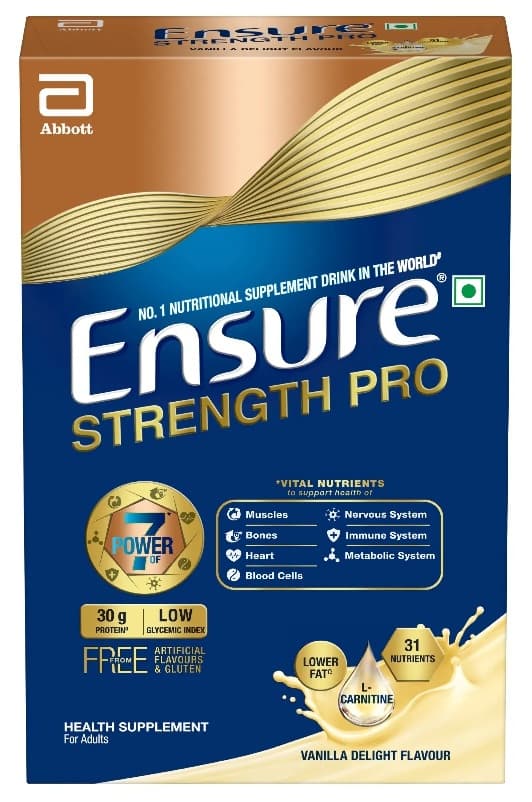
Abbott Launches New Adult Nutrition Product As India’s Healthy Ageing Market Expands
October 21, 2026